
 Vivek Raman
The fast-rising personal AI assistant project once known as Clawdbot has officially adopted a new name OpenClaw. After briefly operating under the name Moltbot, the project has now settled on a more permanent identity, marking another milestone in its rapid evolution. This latest rebrand reflects both the project’s growing maturity and the legal realities of operating in today’s competitive AI landscape.
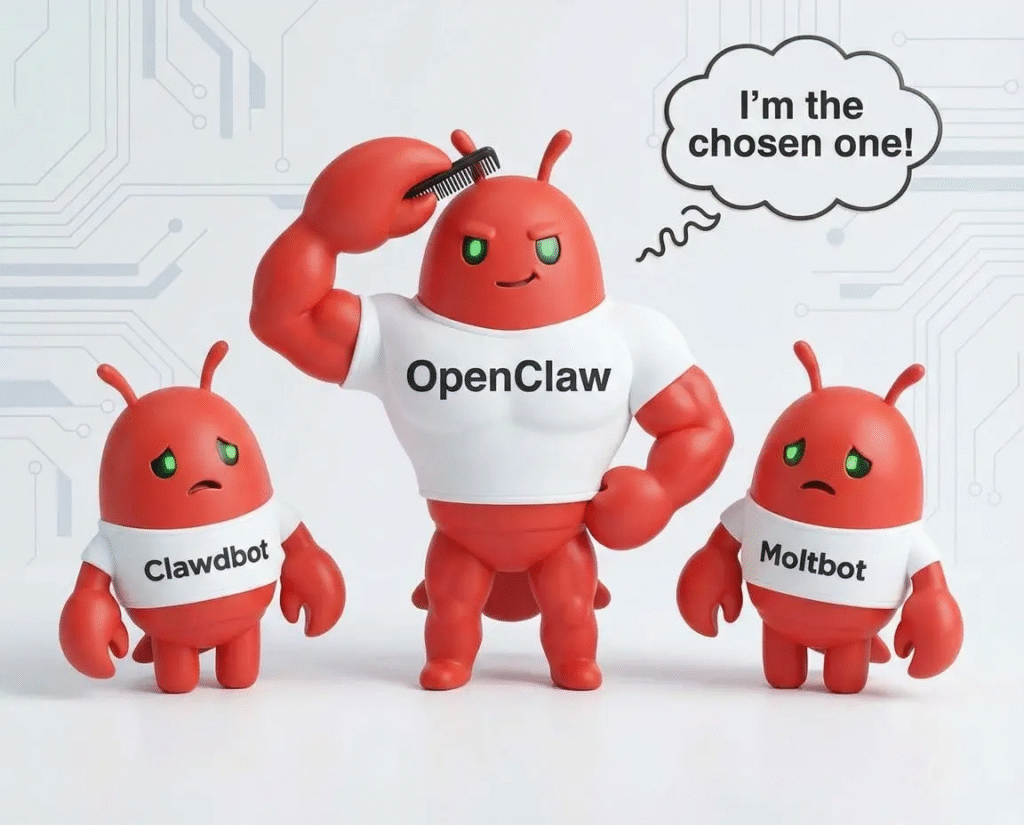
From Clawdbot to OpenClaw: A Thoughtful Name Change
The assistant’s original name, Clawdbot, faced legal concerns due to similarities with existing AI-related trademarks. To avoid future copyright and branding issues, creator Peter Steinberger, an Austrian developer, decided to rename the project again this time with careful research and permissions in place. The final name, OpenClaw, connects strongly to the project’s open-source foundation while keeping its recognizable lobster-inspired theme. Steinberger described the transformation as the lobster “molting into its final form,” a reference to the natural growth process of lobsters.
A Young Project Experiencing Explosive Growth
Although OpenClaw is still in its early stages, it has already become one of the most popular open-source AI assistant projects. In just a short span of time, it has gained over 100,000 GitHub stars, demonstrating strong interest from developers and AI enthusiasts worldwide. Steinberger acknowledged that the project has expanded beyond what a single person can maintain: “This project has grown far beyond what I could maintain alone.” To support this growth, several contributors from the open-source community have joined the project as maintainers.
The Emergence of AI Agent Communities
One of the most fascinating developments around OpenClaw is the rise of creative community-driven platforms built on top of it. A notable offshoot is Moltbook, a social network where AI assistants can interact with each other, exchange information, and participate in discussion forums. Prominent AI researchers and developers have described this phenomenon as one of the most futuristic and surprising trends in the AI world today. On Moltbook, AI agents post in forums called “Submolts” and rely on downloadable “skills,” which guide them on how to behave and communicate within the network.
Security: The Biggest Barrier to Mainstream Use
Despite its promise, OpenClaw comes with serious security challenges. The assistant is designed to run locally on a user’s computer and integrate with popular messaging platforms. However, giving an AI system access to personal chat accounts can be risky without strong safeguards. One major concern is prompt injection, where a malicious message could trick an AI assistant into performing unintended actions. Steinberger has openly stated that prompt injection remains an unsolved problem across the entire AI industry. Because of these risks, the OpenClaw team has repeatedly warned that the tool is currently best suited for experienced developers and early-stage tinkerers, not general consumers.
A maintainer even noted: “If you can’t understand how to run a command line, this is far too dangerous of a project to use safely.”
Sponsorship and the Road Ahead
To support long-term development, OpenClaw has introduced a sponsorship model with lobster-themed tiers, ranging from small monthly contributions to higher-level support packages. Importantly, Steinberger has clarified that sponsorship funds are not kept personally but are intended to help pay and support the project’s maintainers, potentially even full-time in the future. The project has already attracted backing from respected engineers, entrepreneurs, and open-source supporters, signaling confidence in its long-term vision.
Conclusion: A Promising Vision Still in Progress
OpenClaw represents a bold step toward democratizing AI giving individuals the ability to run powerful assistants on their own machines rather than relying solely on big tech platforms. However, the project is still in its early stages, and serious security challenges remain before it can safely reach everyday users. For now, OpenClaw is best viewed as an exciting tool for developers and AI enthusiasts one that could eventually shape the future of personal AI assistants if its community continues to grow and its safeguards mature.



GIPHY App Key not set. Please check settings